
Why Your Fountain Is Not Flowing Properly
18 October 2026 · Just Fountains · Care & Maintenance
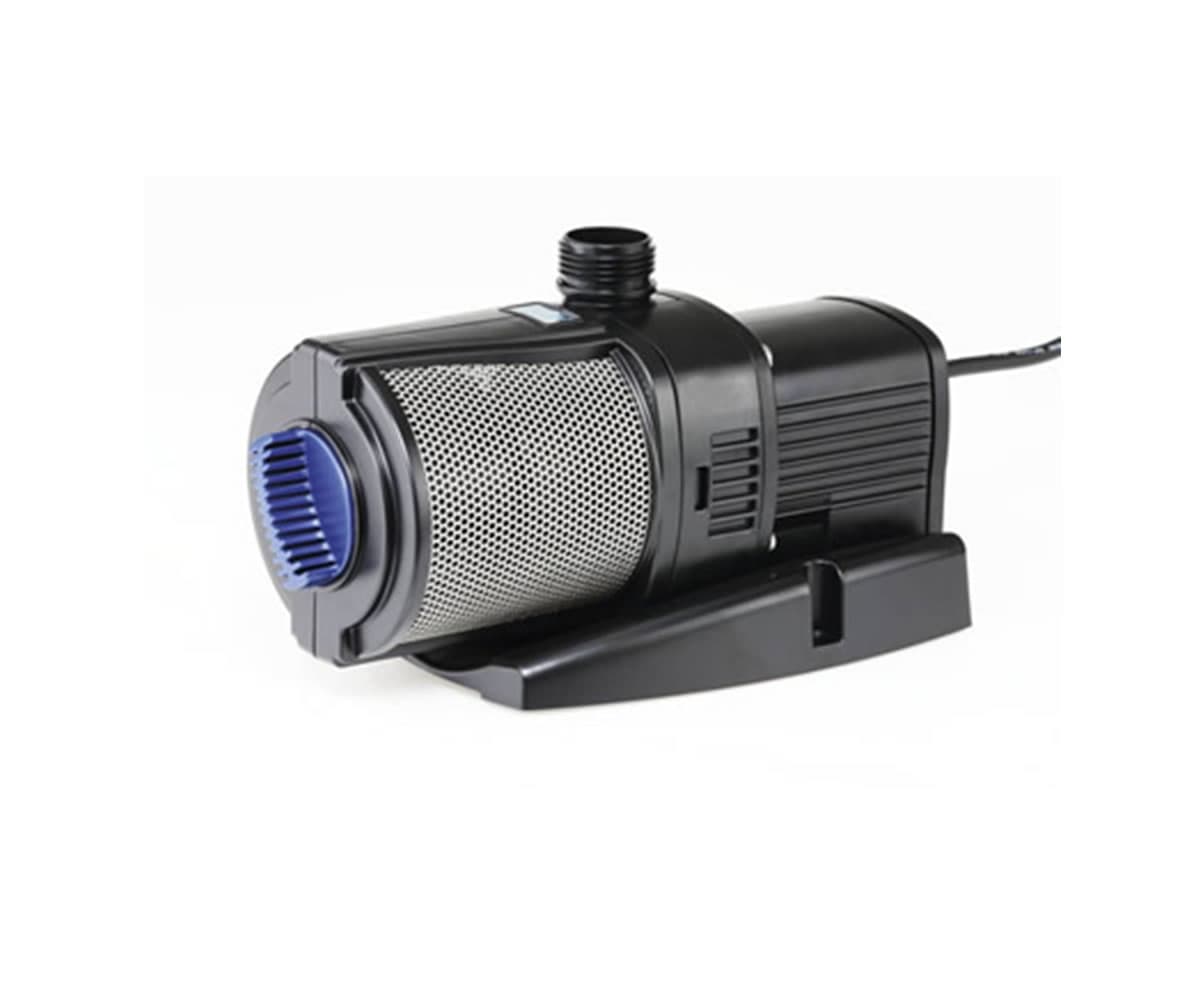
A fountain that was running beautifully and is now dribbling, or humming without moving anything, is usually suffering from one of a handful of things. Almost none of them mean a failed pump, and they are worth checking in order, because the commonest cause is also the easiest to fix.
Start with the water level
Low water is behind more flow complaints than everything else combined. A fountain loses water steadily to evaporation and to splash blown out of the pool, and a warm, breezy week takes more than people expect.
As the level drops towards the top of the pump, it starts drawing air along with water. The symptoms are distinctive: flow that surges and dies, a gurgling or spitting noise, and a pump that sounds busier than the water suggests. Top up to the level the instructions specify, which is normally with the pump comfortably submerged, and see whether the problem simply goes away.
Running a pump dry is also the quickest way to destroy it, so this is worth checking weekly in summer.
Then look for a blockage
Pumps draw water through a strainer or cage designed to keep debris out, and that strainer does its job by getting dirty.
- The strainer or filter cage. Leaves, blossom, algae and silt clog it. Switch off at the mains, lift the pump out, open the cage and rinse it.
- The impeller. If the pump hums but moves no water at all, something is usually jamming the impeller — grit, a leaf stalk, or a snail. Most pumps open up enough to clear it by hand.
- The nozzle or jet. A fine nozzle blocks with very little. If the flow has gone narrow or lopsided rather than weak, suspect the nozzle before the pump.
- The pipe. Check for kinks, especially where the pipe has been pushed into position behind the fountain, and for a connection that has worked loose.
Always switch off at the mains before putting a hand in the water.
Air in the system
After cleaning or refilling, a fountain can take a few minutes to settle while air works its way out of the pipe, particularly on taller pieces where water has a long way to climb. Give it that time before concluding something is wrong. If air keeps coming through, the usual causes are a water level that is still too low, or a loose joint drawing air on the suction side.
If the flow is weak but steady
A fountain that has always underperformed, rather than one that has changed, is a different problem: the pump may simply be too small for the piece. Pumps are rated in litres per hour, and the taller the fountain, the more of that rating is spent lifting the water rather than displaying it. A pump that is fine on a bowl will look feeble on a three-tier fountain.
Before replacing anything, check the obvious: a flow adjuster turned down, a partly closed valve, or a nozzle fitted that needs more flow than the pump provides.
If it runs then stops
- Stops after a while, restarts when cool. Many pumps have a thermal cut-out. That usually means it is working too hard — a blockage, or running in water that is too shallow.
- Stops and will not restart. Check the supply first: the socket, the switch, any RCD or breaker that may have tripped. If an RCD keeps tripping, stop and have it looked at by a qualified electrician rather than resetting it repeatedly.
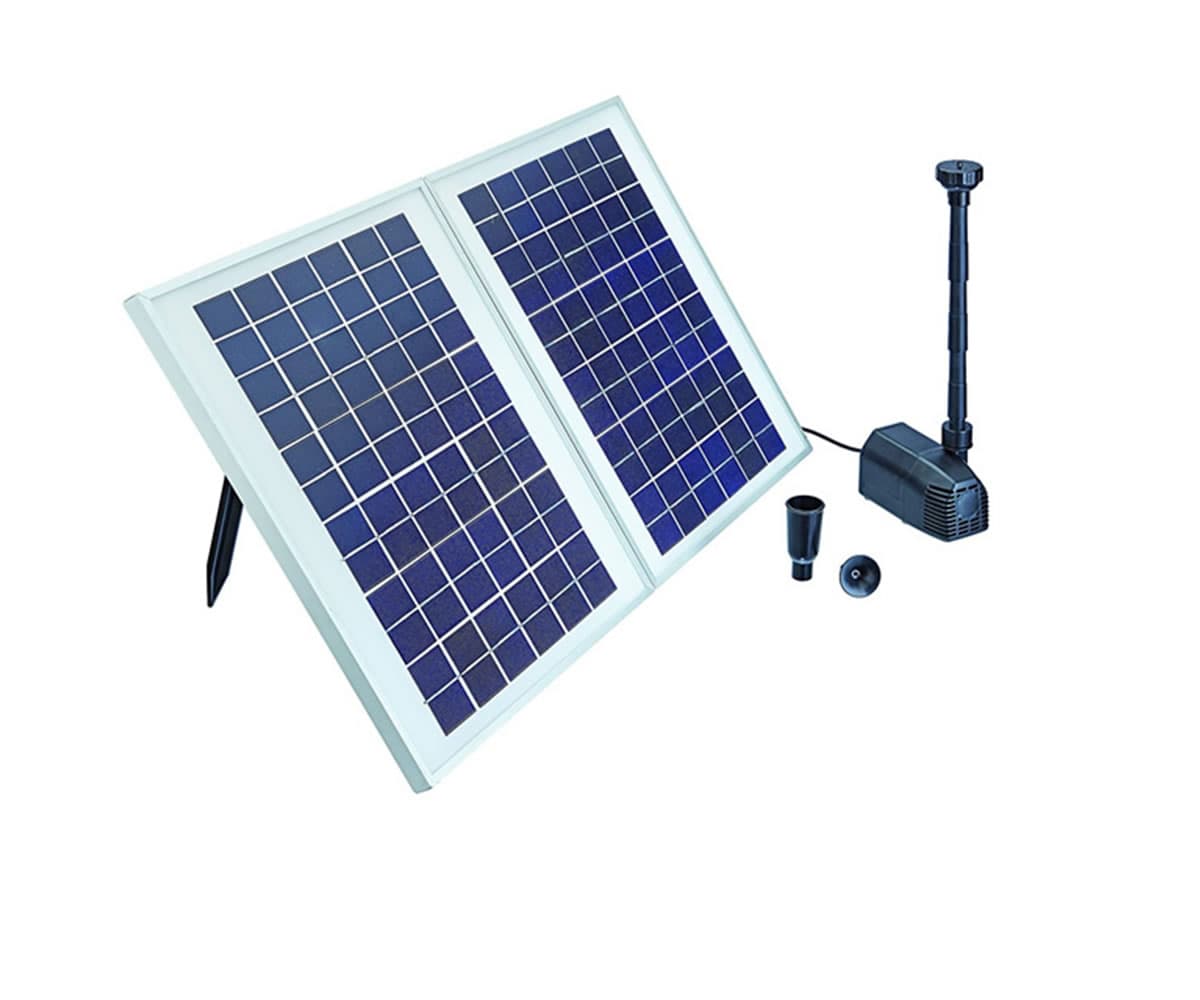
- Stops when the sun goes in. That is a solar pump behaving normally — see solar or mains.
Preventing most of it
- Top the water up before it gets low, not after.
- Rinse the strainer regularly through the season — monthly is plenty for most gardens, more often under trees.
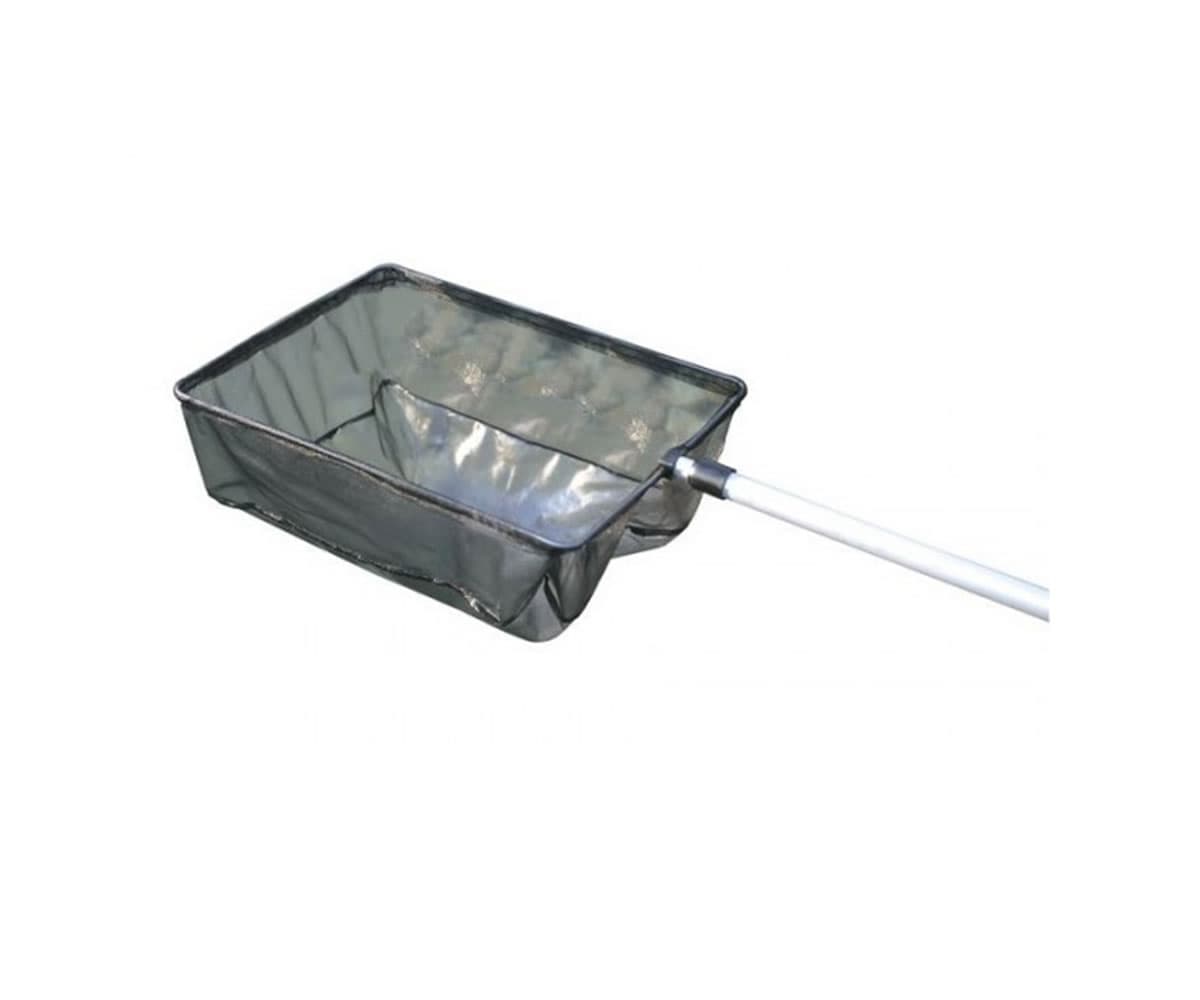
- Net the pool during leaf fall.
- Keep the water clear, because algae ends up in the strainer.
- Drain water-holding pieces before a freeze. Ice expanding in a bowl can crack stone, and that damage is not covered.
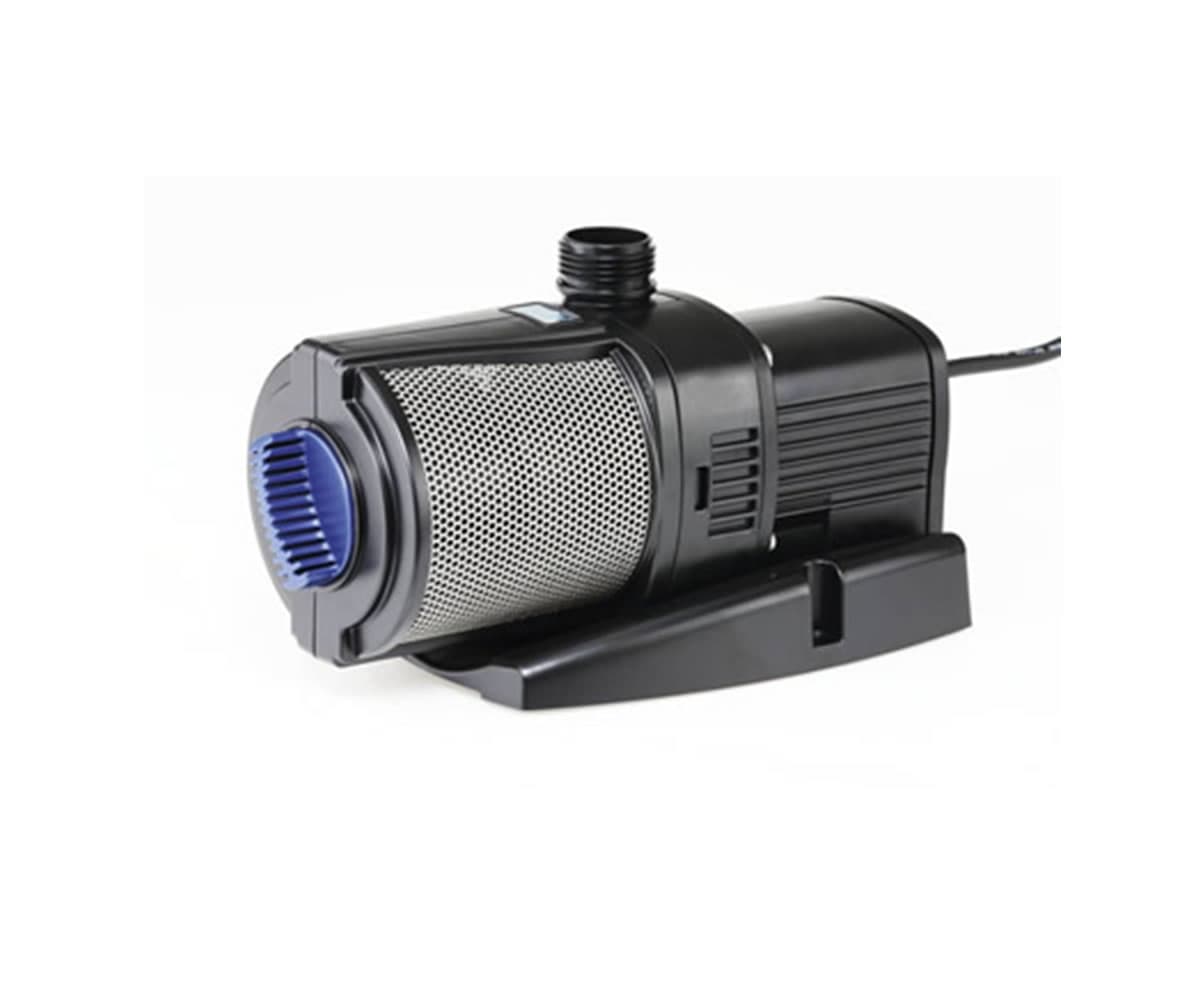
Pumps, nozzles and spares are on the pond liners, pumps and lights page — including the power display pump for features that need a strong display. Keeping the water clean is half the battle, and keeping fountain water clear covers that side.
The product in this post
Related posts
1 October 2026
Keeping Fountain Water Clear: Algae, Clarifiers, Filters and Nets
Green water is normal, not a fault, and it is mostly solved by where the fountain sits and how often you top it up. What to do first, what the clarifiers and filters are for, and the three things never to put in a fountain.
18 October 2026
The Sound of Water: How to Get a Trickle Rather Than a Splash
Two fountains the same size can sound completely different. Drop height, flow and the surface the water lands on matter far more than the model name.
18 October 2026
Solar or Mains? Powering a Garden Fountain
Solar removes the cable, the electrician and the running cost. It also removes the certainty that the fountain will be running when you want it to.