
The Sound of Water: How to Get a Trickle Rather Than a Splash
18 October 2026 · Just Fountains · Buying Guides
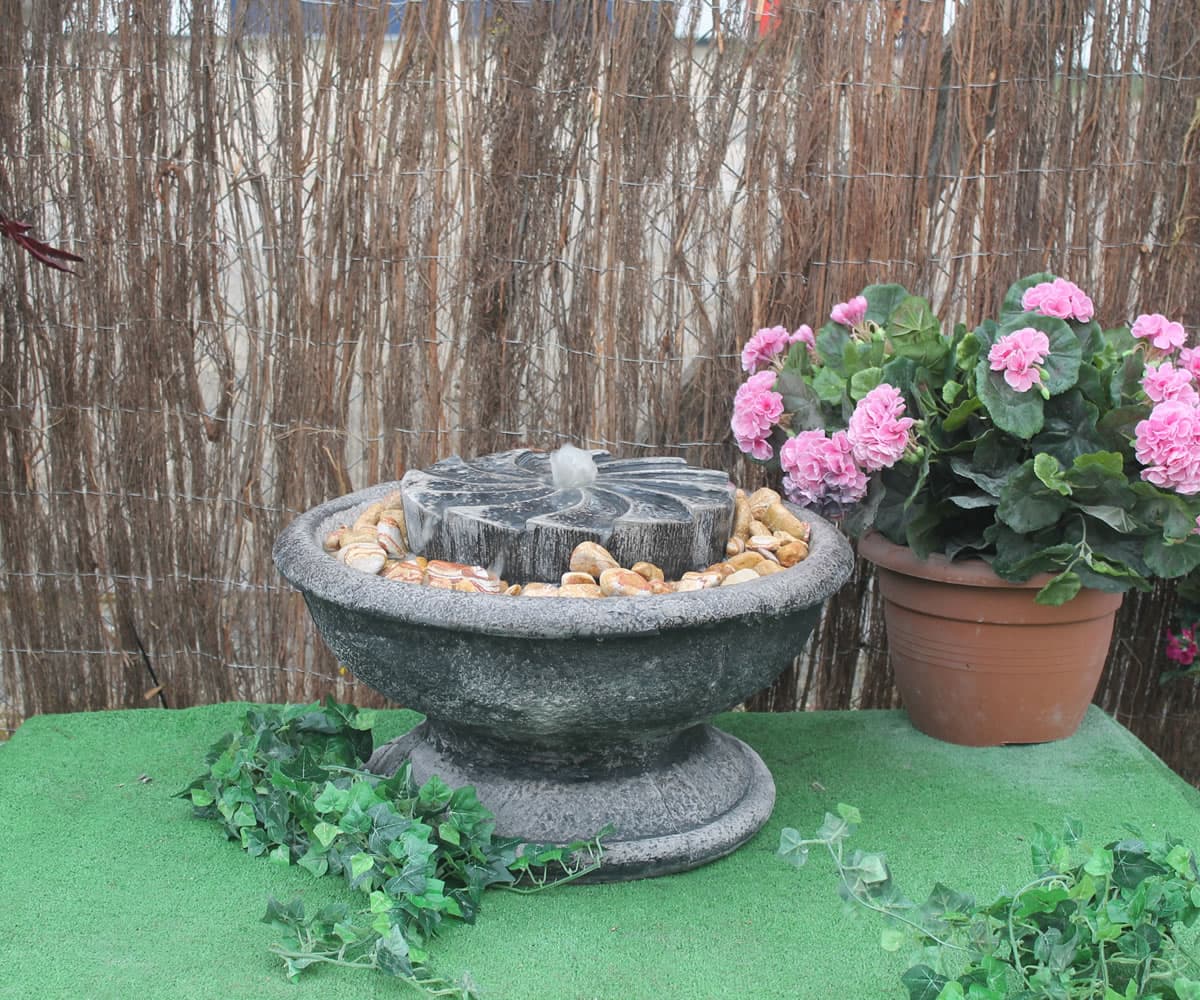
People buy fountains for the sound and then choose them entirely by appearance, which is how you end up with something that looks right in the garden and is faintly irritating to sit next to. The sound is predictable if you know what produces it.
Three things decide how a fountain sounds
How far the water falls
This is the big one. The further water drops before it lands, the more energy it has and the louder and sharper the sound. A tall tiered fountain, where water falls from bowl to bowl and then into a pool, produces a proper splashing. A millstone or bubbling pebble pool, where water rises an inch and runs back down the stone, murmurs.
If you want a gentle sound, look for short drops — and be a little wary of tall pieces if you are putting them where people sit and talk.
How much water is moving
Flow rate sets the volume. The same fountain on a higher-rated pump sounds busier, and many pumps can be throttled down. It is one of the few things you can adjust after buying, so if a fountain is louder than you hoped, turning the flow down is the first thing to try.
What the water lands on
- Water into open water — a deep pool — gives the deepest, most splashy sound.
- Water onto stone, running down a surface rather than falling into a pool, gives a softer, hissing trickle.
- Water onto pebbles is the quietest, because the stones break the flow up before it reaches the reservoir.
- Water into a shallow dish gives a brighter, higher-pitched note than the same flow into a deep one.
The garden changes it too
Where you put the fountain alters the sound as much as the fountain does. Hard surfaces reflect it: an enclosed courtyard with walls on three sides will sound noticeably louder and fuller than an open lawn, which is why small wall fountains work so well in courtyards. Soft surroundings — planting, lawn, hedging — absorb it, so an open garden needs more water movement to register at all.
Distance matters more than people expect. Water sound falls away quickly, and a fountain fifteen metres down the garden is effectively silent from the terrace. If the sound is the reason you are buying, put it close to where you sit.
Matching the sound to the job
- To mask road or neighbour noise, you need more water and a bigger drop — a tiered fountain or a strong plume into open water. A trickle will not cover traffic.
- For a quiet corner to sit in, go the other way: a millstone, a bowl, a pebble pool, or a tiered piece run at reduced flow.
- For a courtyard, assume it will sound bigger than it looks and err towards the gentler option.
- For an open, windy garden, err towards more flow, because both distance and wind work against you.
Two things that spoil the sound
A pool running low. As the water level drops, the pump starts to draw air and the sound turns from water into an intermittent gurgle and whine. Keeping the reservoir topped up is as much about sound as about protecting the pump.
Wind. A plume blown sideways lands outside the pool, which both empties it and turns an even sound into an irregular slapping on the paving. In an exposed spot, a lower feature is more reliable than a tall plume.
A note on judging it before you buy
Video is not much help — phone microphones compress water sound badly. The more reliable approach is to reason from the three factors above: how far does the water fall, how much of it is there, and what does it land on. A millstone will always be gentler than a three-tier fountain, whatever either sounds like on a screen.
For the gentlest end of the range, the patio fountain with millstone is a good example of a short drop over stone. If you are still deciding where to put it, where to put a garden fountain covers the positions that work.
The product in this post
Related posts
18 October 2026
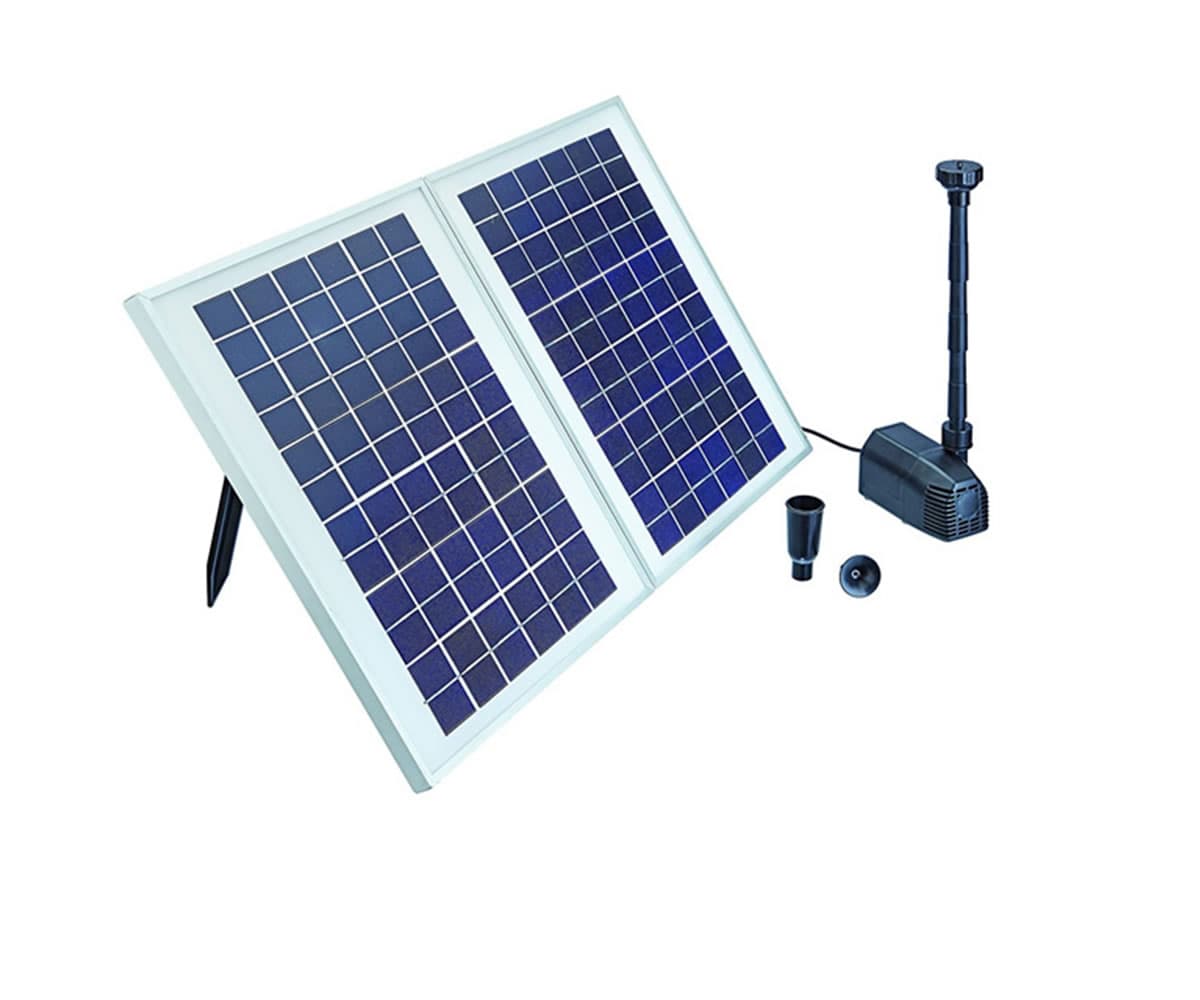
Solar or Mains? Powering a Garden Fountain
Solar removes the cable, the electrician and the running cost. It also removes the certainty that the fountain will be running when you want it to.
1 October 2026
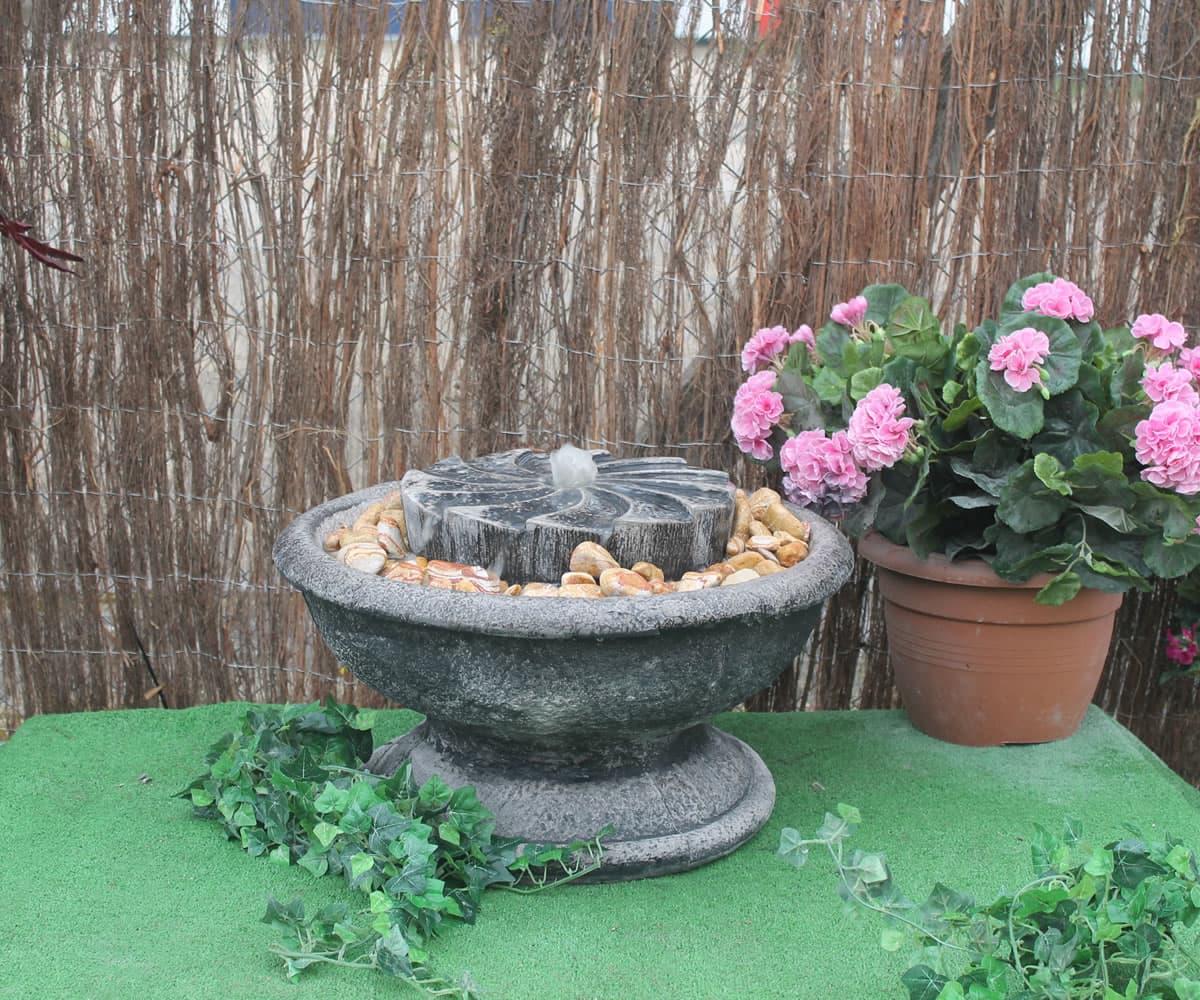
Small Patio Fountains Under £200: What You Actually Get
Seven pieces at the bottom of the range, and the honest account of what they do well and what they do not. Who they suit, how much water they hold, and how to make a small fountain look deliberate rather than apologetic.
1 October 2026
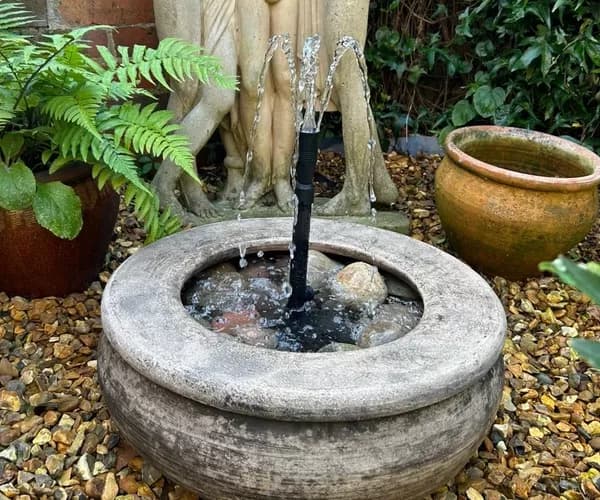
A Fountain for Wildlife: Birds, Bees and Frogs
Moving water brings in more wildlife than a still bowl ever will, but only if an insect can land on it and a hedgehog can get back out. The small details that turn a water feature into something the garden actually uses.