
In-Ground Fountains: Setting a Pool Surround into the Ground
1 October 2026 · Just Fountains · Installation Guides · in-ground fountains, pool surrounds, fountain installation
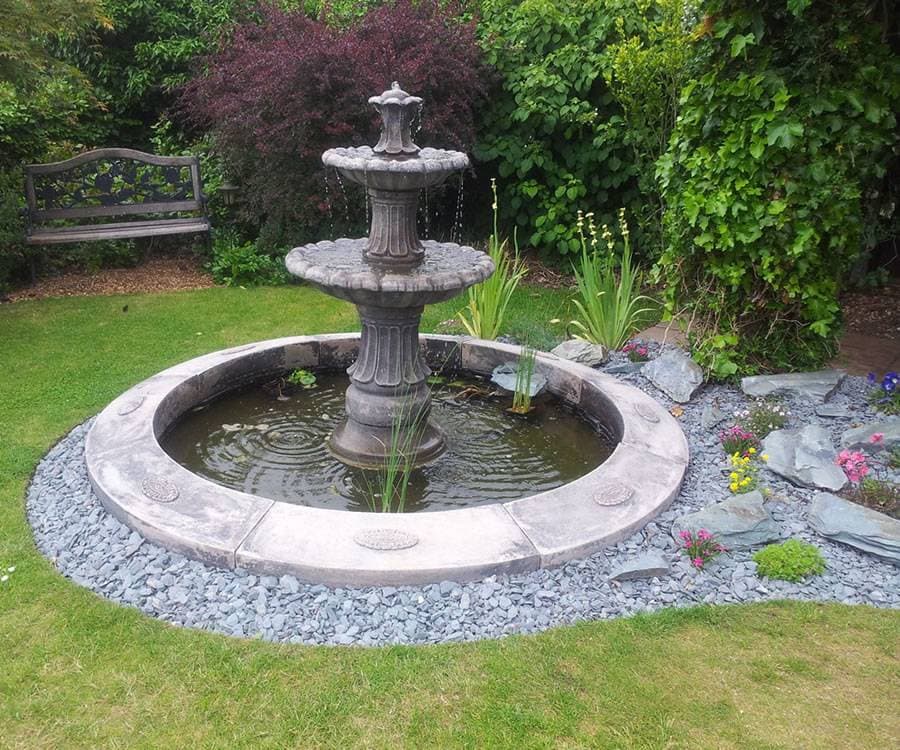
Stand two identical fountains side by side — one on a pool surround sitting on the lawn, one on a surround sunk so its rim is flush with the grass — and most people will tell you the sunken one has been there for years and the other arrived last week.
Nothing else about them differs. It is entirely the rim.
That is what the In Ground Easy Assembly range is for: a single pool surround, designed to be set into the ground rather than stood on it.
Why sink it
- It looks established. A raised stone ring reads as an object placed on the garden. A flush one reads as part of it.
- You can plant right up to it. Grass to the edge, or low planting softening the rim, instead of a gap round the base that collects clippings.
- There is no trip edge in the middle of a lawn.
- The water stays cooler and evaporates a little more slowly, being shaded by the surrounding ground.
- A single surround is lower and simpler than a double, and it is the right proportion once the ground is doing the visual work.
What the job involves
Be straight with yourself about this: the easy assembly part still applies to the fountain, but there is a hole to dig first. On a lawn that is a morning with a spade. Through an established patio it means lifting slabs, and most people hand that to a landscaper.
- Mark it out with the surround laid on the ground and a line of sand round it, allowing a hand’s width of working space all round.
- Dig to the depth of the surround, plus about 50mm for the bedding layer.
- Bed it on compacted sharp sand or a lean mix, firmed down. Not on loose soil, which will settle under the weight the first wet winter.
- Lower the surround in — two people, and never roll it on its rim.
- Level it properly, in both directions, and then again across the diagonals.
- Backfill around the outside in layers, firming as you go, so there are no voids for the surround to subside into.
- Build the fountain on it as normal, then fill and run it.
Check the level with the pool full, not empty. A pool holding a few hundred litres settles differently from an empty one, and a sunken surround is far harder to pack out afterwards than one standing on a slab. Fill it, leave it a day, check again.

The cable, while the ground is open
This is the one real advantage of digging: the trench is already there. Run the pump cable in a conduit, at a sensible depth, along a route you will remember, while you have a spade in your hand. Doing it afterwards means digging the lawn twice.
Anything mains-powered outdoors needs RCD protection and, in most cases, an electrician.
When not to sink one
Three cases where a surround standing proud is the better answer:
- A high water table or heavy clay that holds water. A hole in wet clay is a sump for everything draining towards it, and in a hard frost that is ground movement working against a stone ring.
- A noticeable slope. Sinking a round pool into a slope means the uphill side is buried and the downhill side is exposed, and it looks like a mistake rather than a decision. Terrace it first, or stand it on a level platform.
- Small children. An open pool at ground level is less visible than one with a raised rim. If this is a concern, a self-contained fountain where the water disappears into the base is the safer arrangement.
Winter, when the pool is in the ground
Exactly as for any other fountain, and for the same reason: the stone is frost proof, standing water is not. Before the first hard frost, switch off at the mains, lift the pump out, empty the pool and sponge out the last inch, and clear the leaves.
One difference worth knowing — a sunken pool catches more leaf litter than a raised one, because leaves blow along the ground and stop at it. An algae and debris net over it from October saves a good deal of scooping.
The nine pieces
The range runs from a Jardineer in a Laurel surround and the two tier Barcelona up to the three tier Barcelona in a large Clarence and the three tier Edwardian. There is also the large Shard sculpture, if you want the sunken pool with something contemporary standing in it.
If the digging does not appeal, the Feature Fountains Easy Assembly range does the same thing above ground — see what “no builders, no foundations” actually means. Full instructions for each piece are on our installation instructions page. Prices include delivery to most mainland UK postcodes.
The product in this post
Related posts
1 October 2026
Easy Assembly Fountains: What “No Builders, No Foundations” Actually Means
Our easy assembly range is designed to be put together by two people in an afternoon, with no mortar, no concrete and nobody in a van. Here is exactly what the job involves, and the one step that decides whether it looks right.
1 October 2026
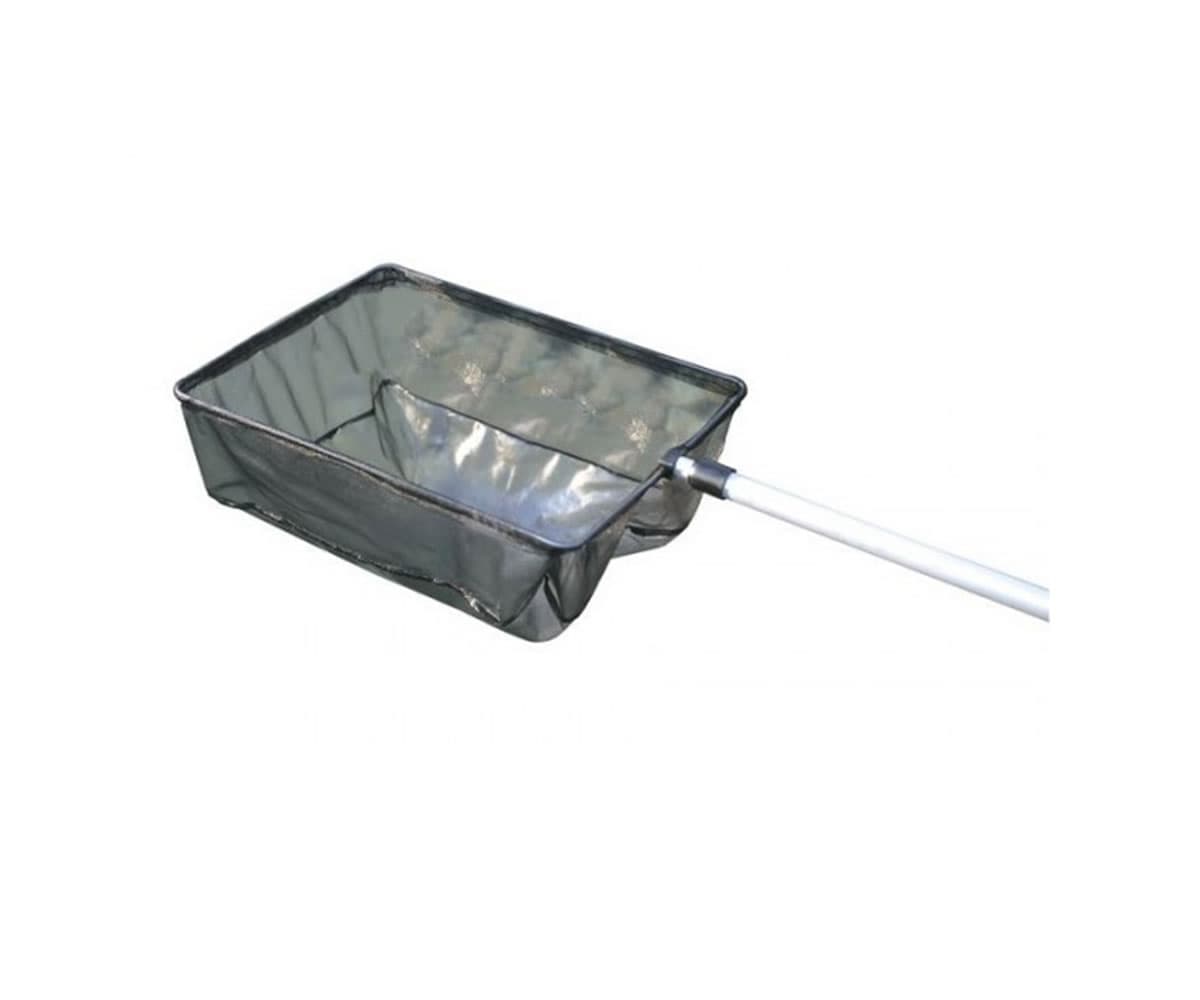
Keeping Fountain Water Clear: Algae, Clarifiers, Filters and Nets
Green water is normal, not a fault, and it is mostly solved by where the fountain sits and how often you top it up. What to do first, what the clarifiers and filters are for, and the three things never to put in a fountain.
1 October 2026
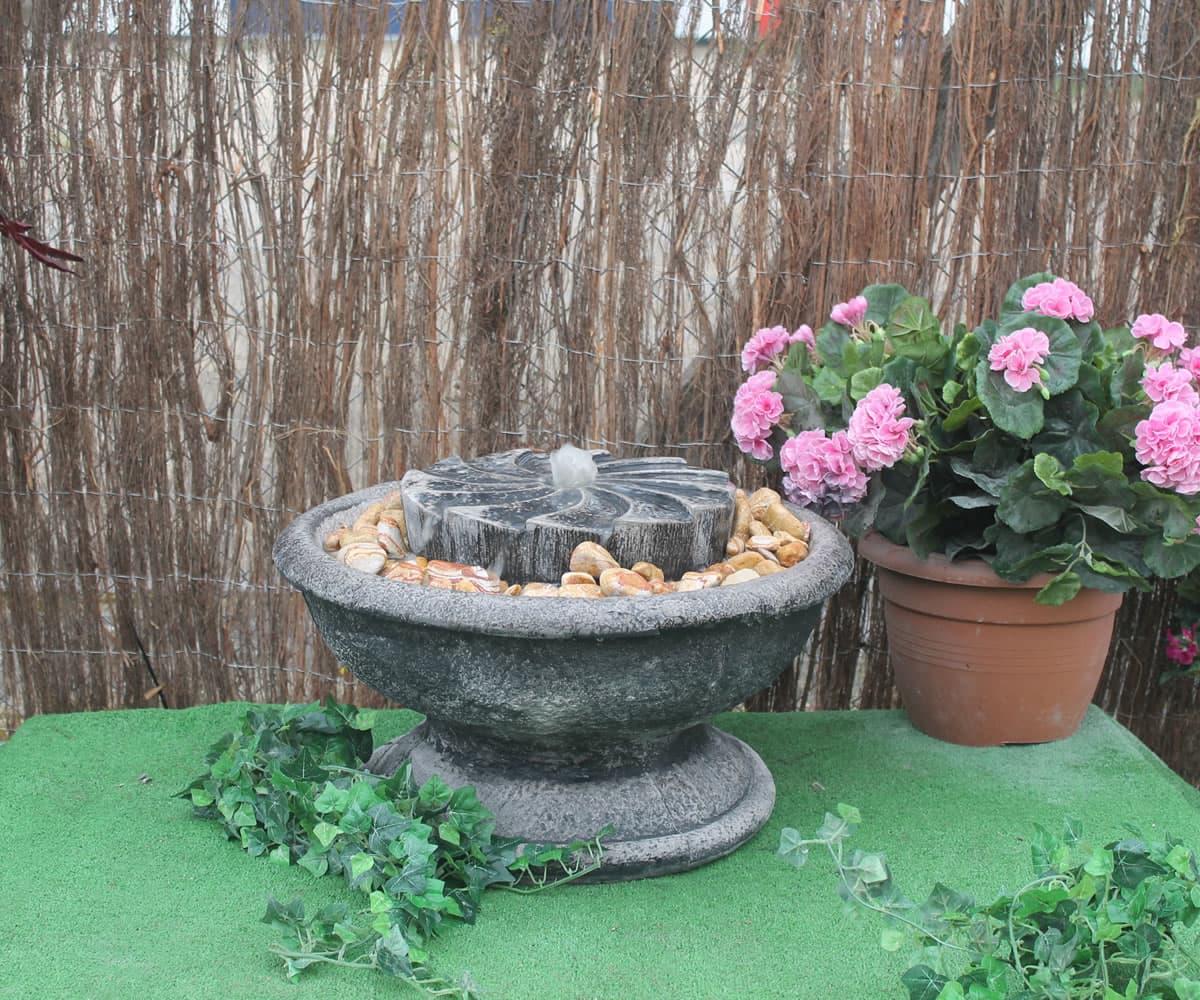
Small Patio Fountains Under £200: What You Actually Get
Seven pieces at the bottom of the range, and the honest account of what they do well and what they do not. Who they suit, how much water they hold, and how to make a small fountain look deliberate rather than apologetic.